 Casey Cartwright
Physical strain at work often builds slowly. A sore wrist, tired fingers, or reduced grip strength may seem minor at first, but over time, these issues can affect productivity and long-term health.
One overlooked factor in reducing these concerns is hand protection. The right gloves do more than shield workers from cuts or abrasions; they improve movement, reduce fatigue, and help create more sustainable work routines. For teams working in construction, logistics, manufacturing, and warehouse environments, reducing workplace strain with better hand protection can have a measurable impact on worker wellness and performance.
Why Acknowledging Hand Fatigue Matters
Hands are involved in nearly every physical task on a jobsite. Repetitive gripping, lifting, and tool handling place continuous stress on muscles and joints. Over time, this strain can contribute to discomfort, reduced dexterity, and even repetitive stress injuries.
When workers become fatigued, efficiency often drops. Attention to detail may suffer, and safety risks can increase.
According to the National Safety Council, musculoskeletal disorders remain one of the leading causes of missed workdays across labor-intensive industries.
Creating a safer work environment is not only about preventing major accidents. It also involves minimizing the small physical stressors that affect workers every day.
The Role of Better Hand Protection
Choosing the right gloves allows workers to maintain hand comfort and control throughout long shifts. Features like breathable materials, ergonomic fits, and enhanced flexibility reduce strain during repetitive tasks.
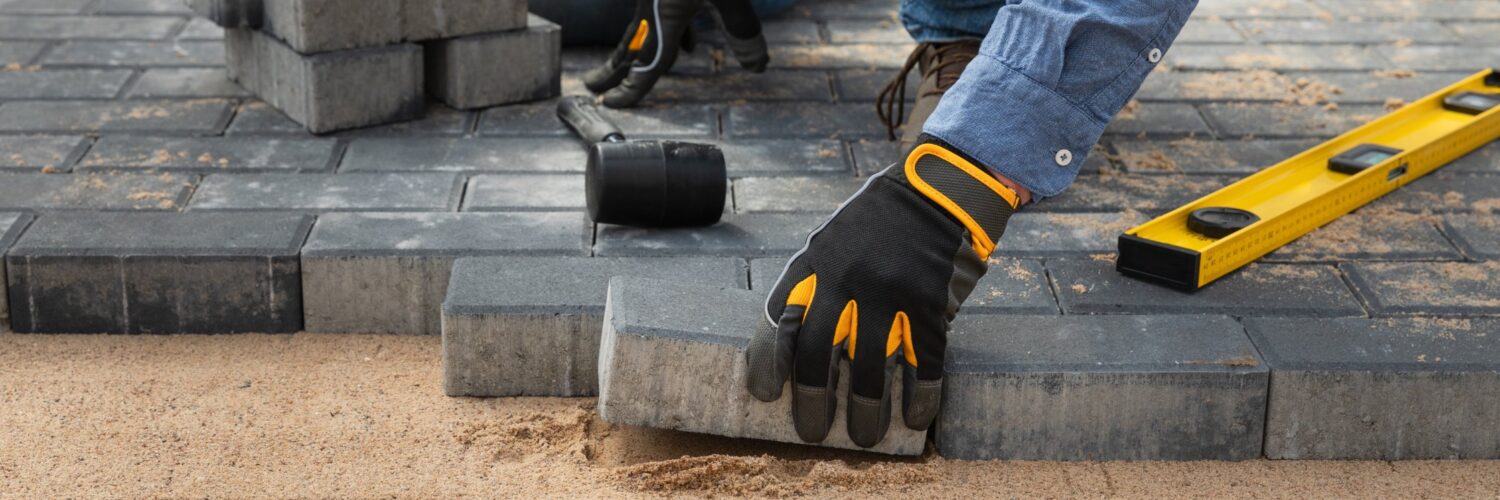
In many industries, better hand protection also improves worker confidence when handling equipment or materials. Workers who can move naturally without bulky restrictions are often able to maintain stronger grip control and steadier performance.
A growing number of employers are recognizing that glove design directly affects employee productivity and physical well-being. High-dexterity glove features make work life easier because they enhance flexibility and reduce hand fatigue.
Safer Habits Create Stronger Teams
Long-term workplace improvement comes from consistent habits rather than dramatic changes. Encouraging workers to wear appropriate gear, take recovery seriously, and use ergonomically supportive equipment can strengthen their morale and performance.
This mindset aligns closely with broader safety practices across various job environments. For instance, keeping crews safe on fast-paced construction sites means implementing proactive safety habits that contribute to better outcomes for entire teams.
Small adjustments repeated daily can lead to meaningful long-term results. Proper hydration, scheduled breaks, and thoughtfully selected protective gear all support healthier work routines.
Building Sustainability Into Work Habits
Workplace wellness is often associated with office settings, but physically demanding jobs require sustainability, too. Reducing workplace strain with better hand protection allows workers to stay healthier, more focused, and more resilient over time. Ultimately, workers perform best when their equipment supports them instead of slowing them down.