 Casey Cartwright
Emergencies rarely unfold in predictable ways. Whether teams are responding to a workplace accident, a natural disaster, or a technical rescue scenario, the difference between chaos and control often comes down to preparation. Proper preparation improves emergency rescue outcomes by building Habits that reduce risk, improve decision-making, and protect both responders and those being rescued.
Preparation Leads to Clear Decision-Making
In high-stress environments, hesitation can lead to costly delays. Teams that regularly train and rehearse rescue procedures develop instinctive responses. These rehearsed processes allow responders to focus on assessing the situation rather than debating next steps.
Preparation also improves coordination. When every member understands their role, communication becomes more efficient and mistakes are less likely to occur. The same philosophy appears across workplace safety initiatives. For example, in industries that require gas detection, understanding the importance of gas monitors in the workplace is part of proactive risk management that all workers must
enforce. When preparation and coordination become consistent, complex responses transform into reliable routines.
Equipment Planning Reduces Critical Delays
Another key factor in rescue effectiveness is equipment readiness. Responders must know which tools they need and how those tools function together in real-world scenarios. Organized gear systems prevent wasted time searching for essential equipment during an emergency.
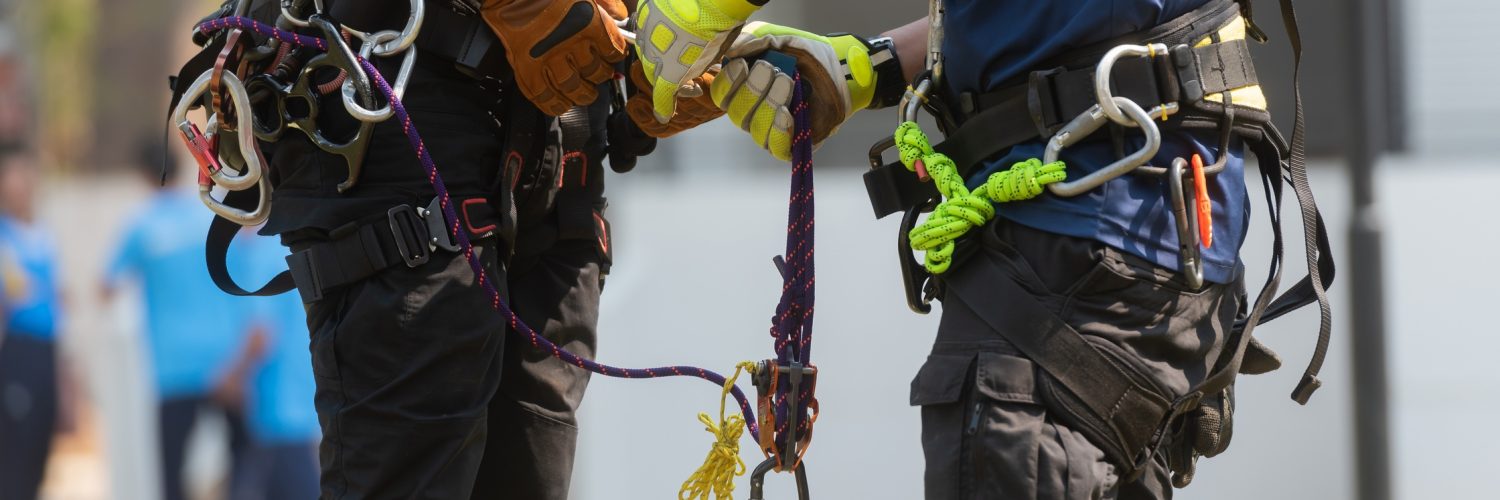
Technical rescue operations, especially those involving vertical environments or confined spaces, require carefully coordinated equipment systems. Assembling the essential pieces of gear for rope rescue operations, including tools that support rope systems, anchors, and controlled descent, is a core part of safe rescue preparation. The goal is not simply having more equipment—it’s having the right equipment ready when it matters most.
Fatigue Management Protects Everyone
Proper emergency rescue preparation also includes recognizing human limits. Emergency operations can stretch for hours or even days, and fatigue can quietly reduce awareness, reaction time, and decision-making ability.
Operational planning should include structured shift rotations, hydration, and rest cycles that prevent responder fatigue, keeping them working effectively throughout prolonged incidents. By planning for endurance rather than just immediate response, teams maintain higher performance during complex rescues.
Preparedness as a Long-Term Habit
Emergency response preparation is not a one-time checklist. It is an ongoing process built through repetition, reflection, and continuous training. Teams that consistently review procedures, update training protocols, and refine equipment strategies gradually strengthen their emergency rescue preparedness.
This mindset reflects the broader principle behind building strong Habits. When proper preparation becomes routine, individuals and organizations can improve emergency rescue outcomes.